Market Insights Recap — Week of June 22, 2026
Video
Hello, I’m Steve Orr, Chief Investment Officer for Texas Capital’s Private Bank.
A new track, on track and sidetracked — what do we have this week? Now, the last couple of months, we’ve had the “fun” of markets lurching from headline to headline or social postings, whichever you like. One constant: the economy continues to grind along through the noise, looking ready to shift up to third gear. Markets did start down a new track last week, as the Kevin Warsh era began at the Federal Reserve’s Open Market Committee meeting. New Chair Warsh cut down the length of both the press release and subsequent press conference.
Two important points stand out to economists: First, the Fed has for decades leaned heavily on the concept of the Phillips Curve. Now, the Phillips Curve says there’s an inverse trade-off between inflation and employment. In short, fewer workers mean they can demand more wages, pushing up inflation and vice versa. Phillip’s thinking has dictated policy decisions at the Fed, with decidedly mixed results, since the 1960s. Now, Warsh was emphatic that price stability is job one, we don't need the Phillips Curve anymore. In other words, run inflation down as low as possible. That doesn’t mean prices drop — that’s deflation. But focusing policy on slowing the increase in prices is going to help folks cope with already higher prices. That’s a concept we can all support.
Price stability idea, though, did jolt the markets, dropping stocks around 1% Wednesday. Wall Street only knows the Fed hiking rates to slow inflation. We’ll see what happens. Hikes and uncertainty mean the easiest path for the robots and reading algorithms is just to sell. That doesn't change the primary trend for stocks, however, which remains higher. Warsh did acknowledge that the economy is solid. We agree, and would note that while housing continues to struggle around the country, manufacturing and industrial new orders are doing better than expected. We look for GDP growth in the second quarter to come in north of 3%, a nice upshift from the first quarter’s 1.6% real growth — so, on track.
Changes at the Fed were not the only driver of lackluster returns. The major indices hit new highs four weeks ago and they’ve kind of treaded water since — except for Nasdaq. Small-cap and mid-cap stocks have done well in the interim though. Now, our indicators have kept us fully invested in emerging markets, and their chip and software names have done well versus the U.S. A midsummer correction would be a welcome vacation for traders and give markets a chance to rebuild some momentum. We did not expect any real changes out of Iran versus Everybody war and the latest news suggests that oil traders are beginning to look at lower inventories for longer — more to come on that score later.
New track for the Fed in the Warsh era: economy remains on track. Stocks should take a sidetrack for a few weeks to rebuild energy; get ready for earnings season in mid-July. We remain fully invested in stocks, kind of a bit light on bond exposure and normal cash levels. ‘Til next time."
Connect with an expert banker.
Experience more with skilled bankers who are committed to helping you grow.
Additional Insights
Economy
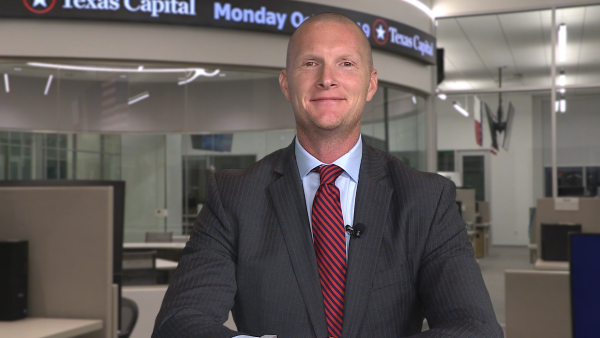
Investment Insights — Week of October 19, 2026
<p>Watch the Investment Insights video for the week of October 19, 2026, from our expert, Tim Gereg.</p>
Economy
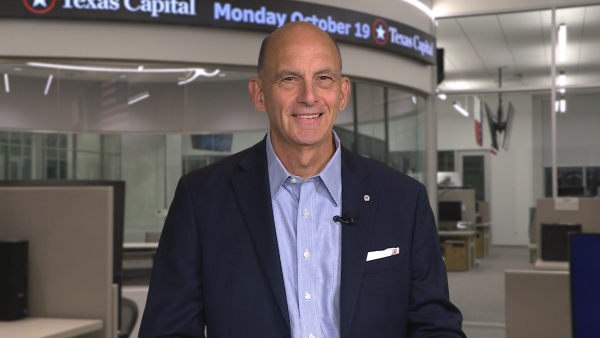
Market Insights Recap — Week of October 19, 2026
<p>Watch the Market Insights video for the week of October 19, 2026, from our expert, Steve Orr.</p>
Economy
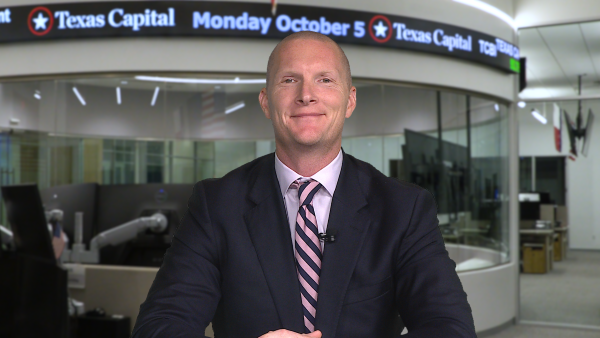
Investment Insights — Week of October 5, 2026
<p>Watch the Investment Insights video for the week of October 5, 2026, from our expert, Tim Gereg.</p>